The “Blue-Collar” Gold Rush: 5 Low-Overhead Franchises Outperforming Tech Stocks in 2026
While Silicon Valley lays off thousands and AI threatens white-collar jobs, a quiet revolution is happening in America’s driveways and office parks.
Why Private Equity is Buying Home Service Empires
Read Report →
The “Med-Tail” Boom: Wealth Preservation Strategy
Read Report →It is the “Blue-Collar” Gold Rush.
In 2026, the highest percentage returns on invested capital are not coming from complex tech startups, but from simple, essential services that cost less than a new SUV to start.
The misconception is that you need $500,000 to become a business owner. The reality is that the “Micro-Franchise” sector—businesses with an entry cost under $50,000—is creating a new wave of middle-class wealth.
These are businesses with Low Overhead (no expensive rent), High Margins (selling labor, not expensive goods), and demand that exists simply because things get dirty, break, or need maintenance.
If you are willing to trade “prestige” for “profit” and aren’t afraid of managing a small, agile team, this list is your roadmap.
We have analyzed the 2026 Franchise Disclosure Documents (FDDs) to bring you the top 5 sectors where a modest investment can yield massive cash-on-cash returns.
Why “Dirty Jobs” Are the New Oil
The era of cheap money is over. Interest rates have normalized, making the prospect of borrowing $1 million to open a sandwich shop risky and expensive. This macroeconomic shift has pushed smart investors toward Low-Cap Franchises.
When you invest under $50,000, your Time to Break-Even is measured in months, not years. You are not drowning in debt service; you are reinvesting profits almost immediately. This agility is the “unfair advantage” of the Micro-Franchise.
There is a shortage of skilled trades and service work in the US. As the older generation retires, fewer young people are entering fields like cleaning, repair, and maintenance. This supply shock creates pricing power.
While a digital marketing agency fights for scraps, a specialized cleaning service can charge premium rates because competition is scarce. In 2026, owning the infrastructure that keeps neighborhoods running is the safest bet against economic volatility.
The Math of Micro-Franchising (ROI Speed)
Let’s look at the Unit Economics:
- Traditional Franchise: Invest $400k → Profit $60k/year (15% Return).
- Micro-Franchise: Invest $40k → Profit $60k/year (150% Return).
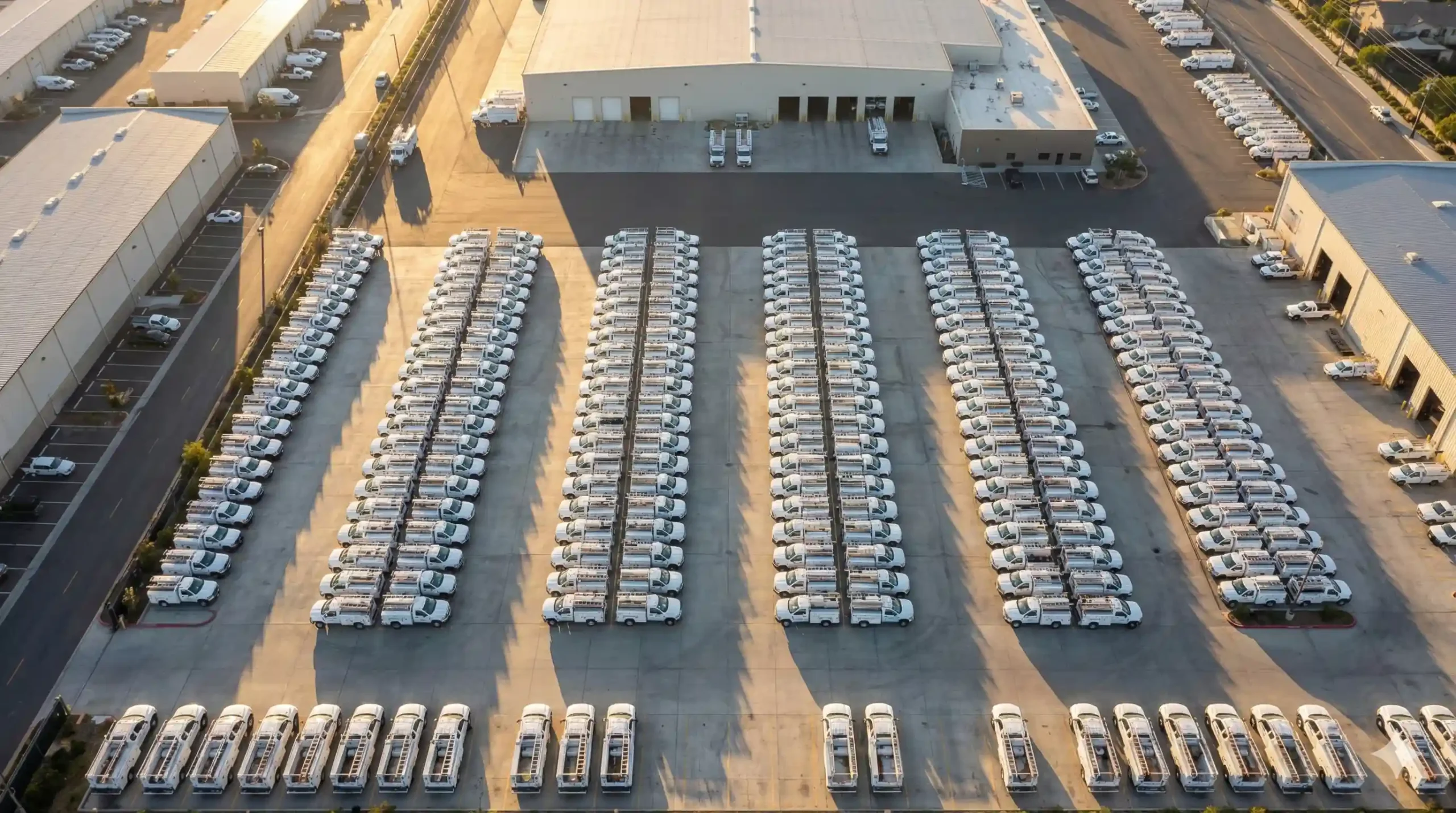
The absolute dollar amount might be the same initially, but your risk exposure is 10x lower. Furthermore, these businesses scale by adding vans, not buildings. Scaling a fleet is faster and cheaper than constructing new stores.
Here are the top 5 categories for 2026:
1. Commercial Cleaning (The B2B Cash Cow)
Why it Wins: Dirt never sleeps. Offices, medical centers, and schools need nightly cleaning regardless of the stock market performance.
The Model: This is a B2B (Business to Business) play. You secure annual contracts with property managers. This guarantees recurring monthly revenue.
- Entry Cost: $5k – $30k.
- Top Brands: Jan-Pro, Vanguard Cleaning Systems, Anago.
- The “Hack”: Many of these franchises offer “guaranteed accounts” where the master franchisor handles sales and billing, and you focus purely on operations and quality control.
2. Mobile Surface Repair (The Sustainability Trend)
Why it Wins: The price of new furniture, cars, and medical equipment has skyrocketed. People and businesses are choosing to repair rather than replace.
The Model: Mobile technicians visit homes, car dealerships, or hospitals to restore leather, vinyl, and plastic.
- Entry Cost: $40k – $80k (Leasing the van keeps initial cash low).
- Top Brands: Fibrenew, Color Glo.
- Target Market: The hidden gem here is Medical Contracts—repairing exam tables in hospitals is a high-margin, consistent niche.
3. Pet Waste & Services (The “Fur Baby” Economy)
Why it Wins: Americans treat pets like children. The pet industry recently crossed the $130 Billion mark. It is entirely recession-proof.
The Model: Specifically, Pet Waste Removal (Pooper Scoopers). It sounds unglamorous, but it is a subscription model with zero inventory.
- Entry Cost: $20k – $40k.
- Top Brands: Scoop Soldiers, DoodyCalls.
- Economics: A single truck with one employee can service 60-80 yards a week. With subscriptions averaging $15-$20 per visit, the recurring revenue builds extremely fast.
4. Mosquito & Pest Control (Seasonal High-Yield)
Why it Wins: Comfort is king. Homeowners are spending more time in their backyards and are willing to pay a premium to be bug-free.
The Model: Recurring spray treatments every 21 days during the season.
- Entry Cost: $30k – $60k.
- Top Brands: Mosquito Joe, Mosquito Squad.
- The Advantage: In colder states, this is a seasonal business, allowing you to have “Winters Off” or run a holiday lighting business (a common add-on) in the off-season to double dip on the same client base.
5. Property Management (The Real Estate Surf)
Why it Wins: High interest rates mean fewer people are selling homes and more are renting. Landlords are overwhelmed and need professional management.
The Model: You manage assets for investors—collecting rent, handling repairs, and screening tenants—in exchange for 8-10% of the gross rent.
- Entry Cost: $30k – $50k.
- Top Brands: Real Property Management, Keyrenter.
- The Asset: You are building a portfolio of contracts. These contracts have a resale value, making your business an asset you can sell later for a multiple of earnings.
Funding the “Micro-Start”: Cards vs. Loans
When the investment is under $50k, big bank loans are often overkill or too slow. In 2026, savvy micro-investors are using agile funding methods:
1. 0% APR Business Credit Cards For a $30k franchise fee, “Credit Card Stacking” is a viable strategy. If you have a credit score of 700+, you can secure $50k-$100k in unsecured business lines of credit at 0% interest for 12-18 months. This gives you a year and a half to hit profitability without paying a dime in interest.
2. SBA Microloans Unlike the massive 7(a) loans, the SBA Microloan program offers up to $50,000 specifically for small startups. These are often administered by non-profit community lenders and come with easier approval standards than traditional bank loans.
3. Franchisor Financing Many low-cost franchises are eager to grow and will finance the franchise fee internally. You might pay $10k down and the rest over 24 months. Always ask the development director: “Do you offer in-house financing?”
Conclusion: Sweat Equity vs. Checkbook Equity
The franchises listed above are not “Passive Income” (at least not on day one). They require Sweat Equity. You are the sales manager, the operations lead, and the face of the brand.
However, the trade-off is freedom. For the price of a used car, you are buying a proven system that generates cash flow from month one. There is no waiting for a building to be constructed. There is no complex supply chain. There is just a service, a customer, and a margin.
If you are ready to get your hands dirty to build a clean balance sheet, the “Blue-Collar” sector is your open lane in 2026.
Ready to explore? Check the availability of these territories in your state before the spring rush begins.
Frequently Asked Questions (FAQ)
1. Are these businesses truly profitable or just buying a low-paying job? It depends on your model. If you stay the only operator, you own a job. If you use the profits to hire a team and add a second or third van/territory, you are building a business. The goal of Micro-Franchising is Scale, not labor.
2. Can I run these franchises from home? Yes. 4 out of the 5 categories listed (Cleaning, Repair, Pet Services, Pest Control) are “Home-Based.” This saves you $2,000 – $4,000 per month in commercial rent, directly boosting your bottom line.
3. Do I need a special license for Pest Control? Yes. Most states require a specific license to apply chemicals. However, the Franchisor typically provides the training curriculum to help you or your lead technician pass the state exam quickly.
4. What is the biggest hidden cost in low-cost franchises? Marketing. Since you don’t have a storefront for people to walk past, you must spend money on digital marketing (Google Ads, Local SEO) to make the phone ring. Budget at least $1,500/month for ad spend in the first year.
5. Is the cleaning industry too saturated? Residential cleaning is competitive, but Commercial Cleaning is still fragmented. Businesses are constantly firing their current cleaners due to poor quality. If you show up on time and do a good job, you automatically beat 90% of the market.